
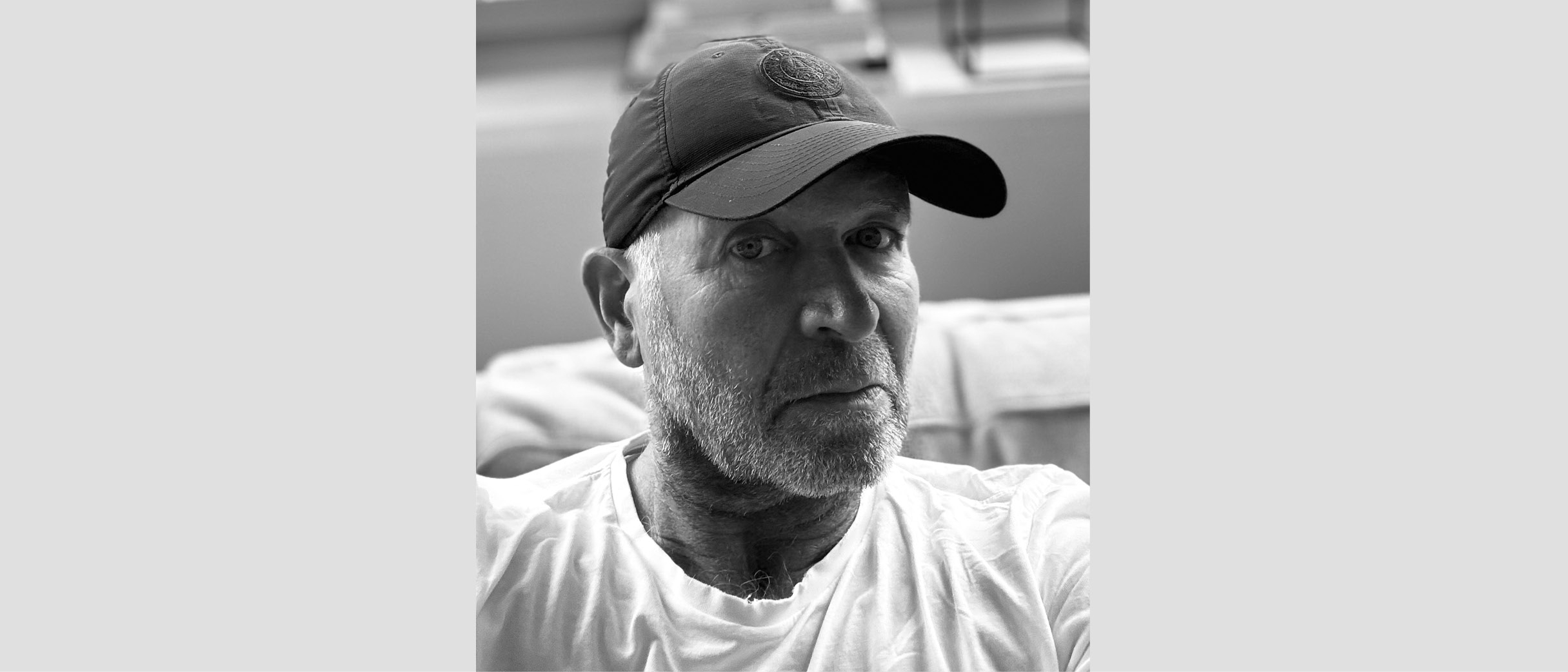
For designer Klaus Samsøe, 2026 is not about finding the next growth model, but about holding on to some fundamental choices: local production, physical presence, and a more responsible relationship with consumption. It should not be seen as a solution to everything, but as a necessary counterweight.
According to designer Klaus Samsøe, 2026 paints a serious picture. Geopolitical unrest, war in Europe, trade conflicts, and the climate crisis create uncertainty far beyond the financial markets. Supply chains are under pressure, investments are held back, and the consumer responds by saving rather than spending money.
“Unfortunately, it is quite a dystopian picture I am painting,” says Klaus Samsøe, and points out that he has never in his life experienced a global situation resembling the current one.
Precisely for that reason, he also sees a counter-reaction taking shape. A movement away from acceleration and overconsumption and towards the close-to-home: family, friends, communities, and responsibility.

War, peace, and climate will, according to Klaus Samsøe, be the decisive themes in 2026. The climate in particular demands that the textile and fashion industry relates more consistently to its responsibility. The industry is among the biggest offenders, both in terms of CO2 emissions and water consumption, and fast fashion plays a central role in the overall account.
“We need to take a wholehearted share of the responsibility for stopping the development,” he says.
In practice, Klaus Samsøe has chosen to work with concrete measures rather than overarching promises. The ambition is that all his products are made locally, in Denmark. Today, 75–80 per cent are already ‘made in denmark.’ At the same time, he works with materials based on discarded textile fractions from the industrial laundry Elis as well as deadstock textiles from Kvadrat.
Another central focus is Klaus Samsøe’s so-called Offline concept, which also fills a large part of his AW26 collection. Offline is a conscious comment on the growing online trade and its consequences: empty shop premises, logistics warehouses in the streetscape, rising CO2 emissions, and enormous amounts of returned goods. Offline is a tribute to retail and the physical meeting between people.
“It is about reminding us what we lose when all commerce is reduced to clicks and returns,” says Klaus Samsøe.
In parallel, he has worked with artist collaborations as a local gathering point. In his shop and showroom on Østerbrogade in Copenhagen, he has used the walls of the space as an exhibition platform for visual artists such as John Kørner, Knud Odde, Lars Hug, and Benny Brankovic. The openings have gathered up to 200 guests at a time, and the interest in the works has been significantly greater than expected.