The Nordic marketplace app Tise shares insights into their collaboration with, among others, Danish fashion brands..
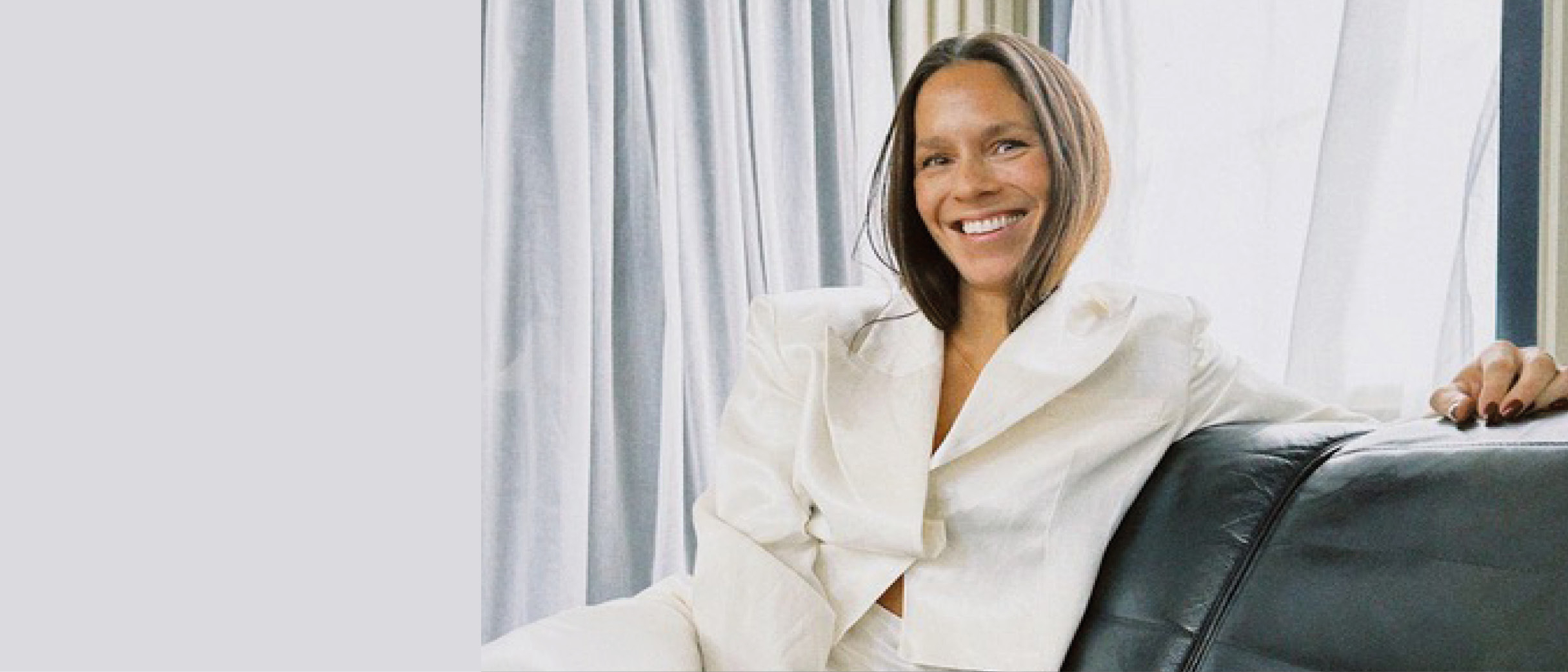
Q&A med Hilde Falck
Head of Second Chance hos Tise, founded in Oslo in 2014.
What is the idea behind Second Chance and why did Tise launch the initiative?
We wanted to collaborate directly with the fashion industry to reduce textile waste and help brands become more circular by offering a sustainable solution to surplus stock. We launched Second Chance in Norway in september 2021, and since then it has grown to include over 80 quality brands across Norway, Denmark and Finland.
What is the biggest challenge in how the fashion industry handles surplus stock and returns today?
It seems difficult for brands to resell return items with minor faults through their regular channels. Without second chance, these products often don’t have a clear resale route, which means they get stored or even destroyed – a costly outcome. We offer a channel that gives these items a second life.




What kind of fashion brands do you collaborate with – and how are they selected?
We don’t work in fast fashion. We focus on quality brands that prioritise sustainable production, avoid overproduction and use durable materials. In denmark, we work with brands such as Gestuz, 7 days active, Oval Square, Samsøe Samsøe, H2O and Eyda.
What do fashion brands typically gain from being part of second chance?
Managing surplus stock is a key reason. We offer a sustainable channel for these products, selling them through a brand profile on tise to ensure they find a new owner.
How has second chance developed as a business area, and do you expect growth?
Second chance has become a more significant part of tise as we’ve brought on more brands. We focus on offering strong quality assortments, and we expect further growth through strategic partnerships and expanding our brand base.
How does second chance help strengthen circularity in fashion?
We help brands manage excess stock and provide a revenue stream that doesn’t rely on new production. As recommerce grows, this alternative business model will be increasingly important.