

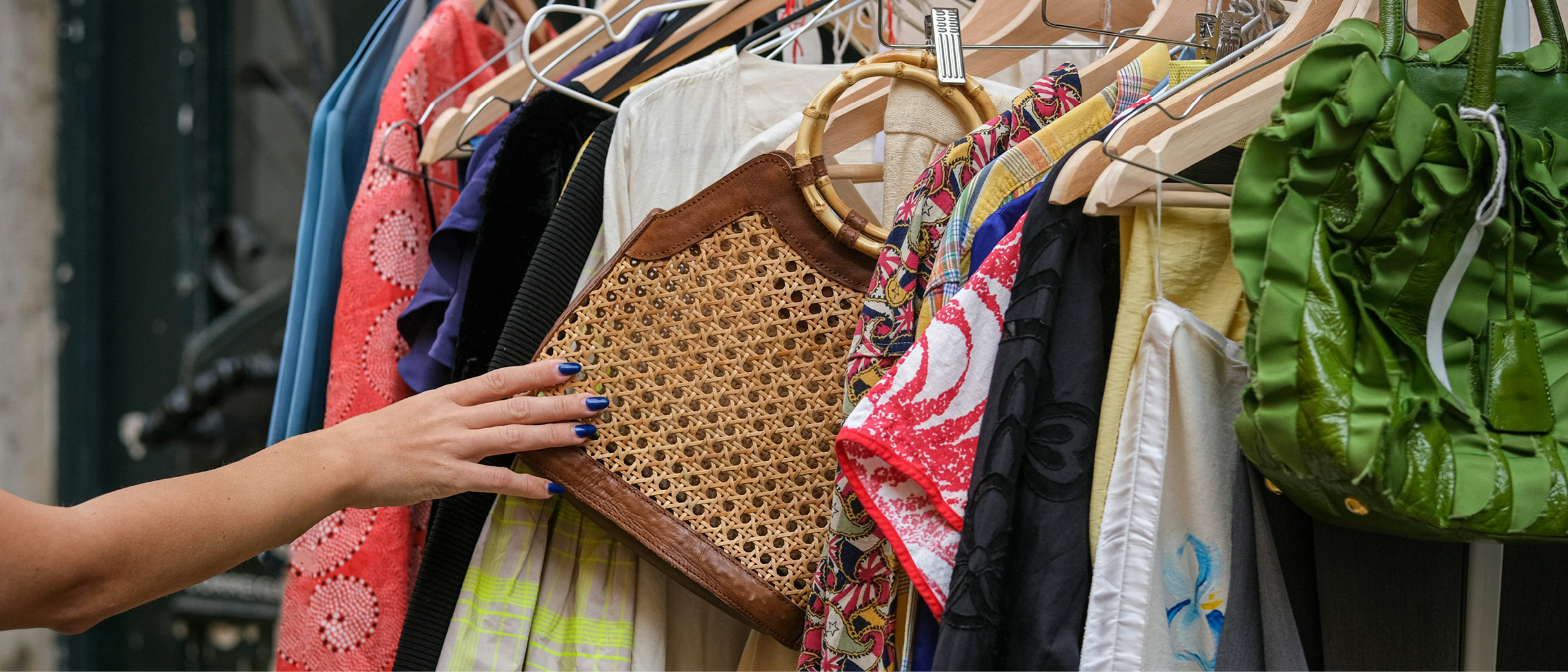
Recommerce and resale have gone from niche to norm. This is especially true in fashion, where second-hand is gaining ground both globally and in denmark. Several analysts suggest that the second-hand fashion market will double by 2027. We dive into the numbers, take the pulse of the market, and explore how the growth is unfolding.
In recent years, “recommerce” has become part of the danish vocabulary. It refers to the reuse, repurchase or resale of used goods through both physical and online platforms. It’s a core element of the circular economy, where products gain extended life cycles.
Over the past five years, recommerce has gained significant traction across industries, driven by a growing consumer focus on sustainability and value for money. In fact, the global recommerce market is now growing around five times faster than overall retail, according to the article “recommerce is changing the face of global fashion retail” published by the nrff foundation. More consumers are buying and selling second-hand goods. Major brands and retailers are taking note: a 2023 survey revealed that 86% of retail executives believe their customers are demanding recommerce options.




Between 2019 and 2024, the recommerce market has grown explosively. Fashion and apparel make up a significant share of this market, nearly tripling in value over just a few years, according to “what an accelerating secondhand market means for fashion brands and retailers” by BCG.
Fashion and luxury
Second-hand clothing and resale have become mainstream and continue to grow year on year. Several forecasts indicate strong continued growth: the global second-hand fashion market is expected to double by 2027, reaching around $350 billion. According to just style, used goods are expected to account for 10% of global apparel consumption, and in the us alone, resale could reach over $70 billion by 2027.
Europe is following the same trend. In the eu, the second-hand clothing market was worth around €16 billion in 2021 and is expected to double to €32 billion by 2025, according to the article “giving super-powers to second-hand sellers” by eu startups. Europe accounted for around 10% of the global market in 2021, with northern europe playing a key role.
Consumers – particularly the younger generations – have embraced second-hand fashion. Globally, over half of all consumers have purchased second-hand clothing in the past year. Generation z is the most active group, with 31% buying and 44% selling used clothes, according to bcg. Millennials closely follow. Values such as climate concern and conscious consumption are strong drivers. While financial savings remain a key motivator, environmental awareness is increasingly important. Nearly half of gen z now outright refuse to buy from non-sustainable fashion brands. At the same time, wearing ‘pre-loved’ items has become socially acceptable – even trendy – with vintage finds and luxury items with patina gaining high status.
Consumer behaviour and trends across categories
Several broader shifts in consumer behaviour are driving recommerce across markets:
• Increased acceptance and participation: buying second-hand has moved from taboo to trend. More consumers across demographics are engaging with recommerce as part of their lifestyle.
• Young consumers leading the way: gen z and millennials are the most active recommerce users – both as buyers and sellers. Their digital fluency and eco-awareness fuel market growth and influence older generations.
• Price and sustainability: two dominant motivators: saving money and sustainability. Used goods are often significantly cheaper, attracting budget-conscious shoppers, especially in uncertain economic times. At the same time, resale reduces waste and environmental impact – allowing consumers to feel both smart and responsible.
• Improved user experience: professional recommerce platforms have removed barriers with smoother transactions, authentication services, and streamlined logistics. Consumers now enjoy a buying experience closer to that of new retail.
• More sellers are entering the market: platforms have empowered private individuals to become sellers, further boosting supply. Especially gen z is eager to sell as a way to fund new purchases and keep their wardrobes circulating.
Key players and market competition
The recommerce landscape is diverse, including new platforms, established marketplaces and traditional retailers:
• Pure recommerce platforms: specialising in used goods, many have seen rapid growth and investor interest.
• Traditional retailers entering recommerce: many established chains now offer take-back or resale programmes to align with sustainability goals and customer expectations.
• New business models: the industry is evolving with hybrid models like commission-based luxury resale, direct buy-back and resale (electronics, vehicles), or peer-to-peer with transaction fees.
Recommerce in Denmark
Denmark is among europe’s frontrunners in recommerce, supported by a broad range of platforms:
• DBA (den blå avis) and Facebook marketplace – the most used general platforms for second-hand.
• Vinted, which acquired Denmark’s largest platform, trendsales, in 2023.
• Tise, a growing nordic platform focused on second-hand fashion.
• Reshoppit, a physical recommerce chain with stores functioning as second-hand markets.
• Børneloppen and kirppu, concepts where individuals can sell second-hand children’s and adult items in physical market spaces.
• Plus, the many traditional charity shops, which generate significant annual turnover and operate under different conditions from regular retail.
What’s the bottom line?
Recommerce has rapidly moved from niche to mainstream. There’s strong growth across categories, both globally and in europe. Young consumers, in particular, are driving adoption, motivated by both financial and environmental concerns. This creates room for new players – from start-ups to well-established brands – to participate in the circular economy.
Looking ahead, recommerce is expected to become even more integrated into how we shop. Some forecasts suggest resale could account for over 20% of the retail market by 2030, signalling a potential transformation of the retail sector.
In short, recommerce is no longer a fringe sustainability initiative – it is a growing economic force and a new norm in consumer behaviour. Companies that succeed in integrating resale into their business models are well positioned to meet the demands of future consumers.
Recent data and reports all point in the same direction: continued market growth, persistent momentum, and consolidation of recommerce as a smart, sustainable, and value-driven way to shop.
Recommerce gains ground in Denmark
• 71% of danes have engaged in recommerce (defined by di as reuse, date-limited goods, or outlets) in the past month – according to di’s “danskernes e-commerce tracker 2024.” This reflects a clear move towards sustainable and budget-conscious shopping.
• Physical stores still dominate, but online is growing:
o 64% bought recommerce in physical stores in 2024
o 33% bought recommerce online in 2024
• Where do danes shop recommerce?
o Date-limited goods in physical shops (e.g., supermarkets) are most popular: 55% bought such items in-store in 2024
o Charity shops remain well-visited: 23% bought in a physical second-hand store (same as 2023)
o Online second-hand is rising: 17% bought online (e.g., DBA, Dacebook marketplace, Trendsales) in 2024 – up from 16% in 2023
o Outlet shopping is growing both in-store and online:
– 17% bought from a physical outlet (up from 14% in 2023)
– 11% bought from online outlets (e.g., dansk outlet, Booztlet), same as 2023
Sustainable business in fashion
Create2stay is a danish tech and logistics company helping fashion brands integrate resale and circular models into their existing e-commerce platforms. The company offers solutions such as take-back, peer-to-peer and hybrid models, enabling brands to offer both new and used products in a seamless customer journey. Create2stay handles the entire process – from drop-off and authentication to storage and resale – for brands like Mos Mosh, Gai+lisva, Konges sløjd and Lala Berlin. Founded in 2021 by thomas østergaard-geisler, the company is also active in circular economy partnerships within the fashion sector and is working on repair solutions in collaboration with local tailors.