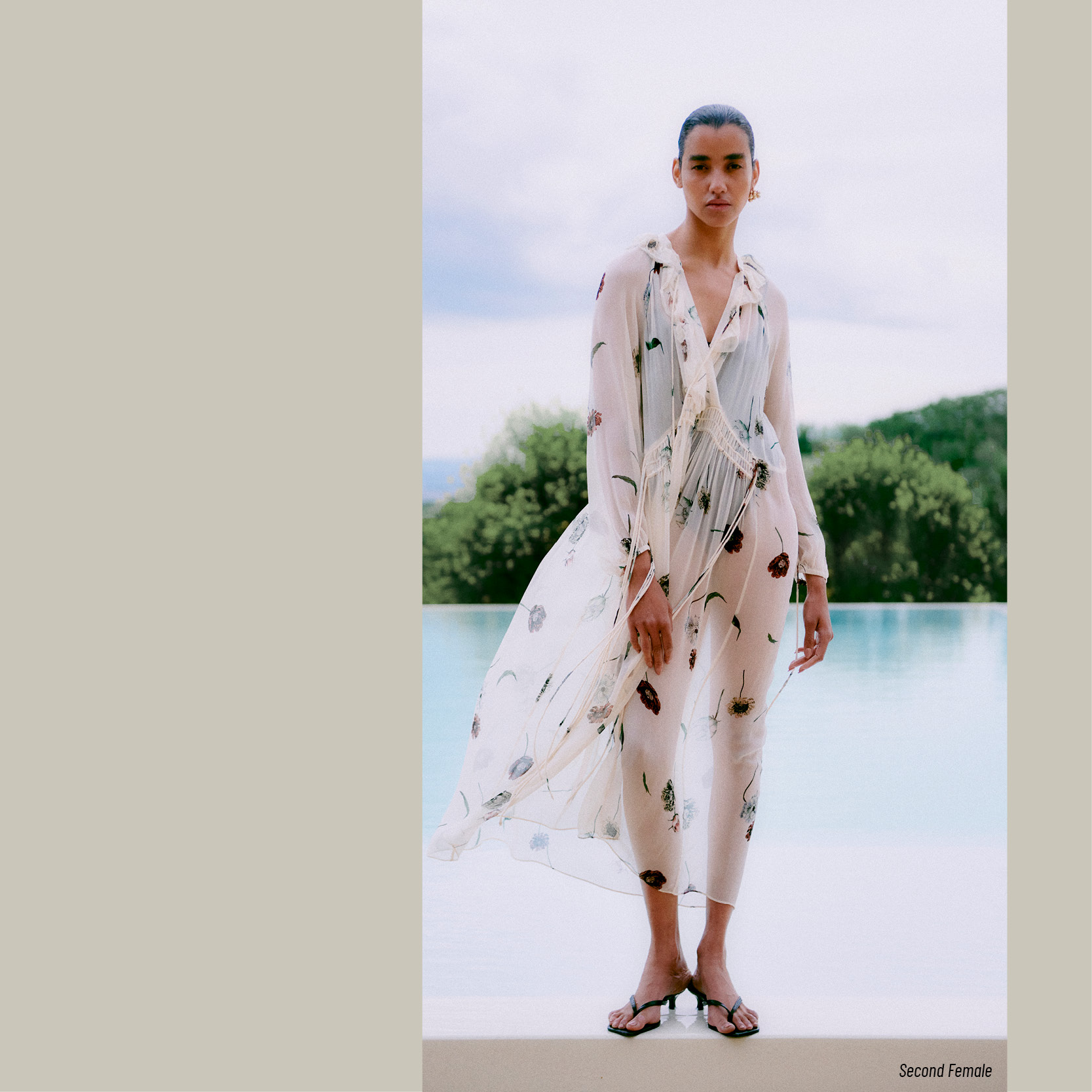

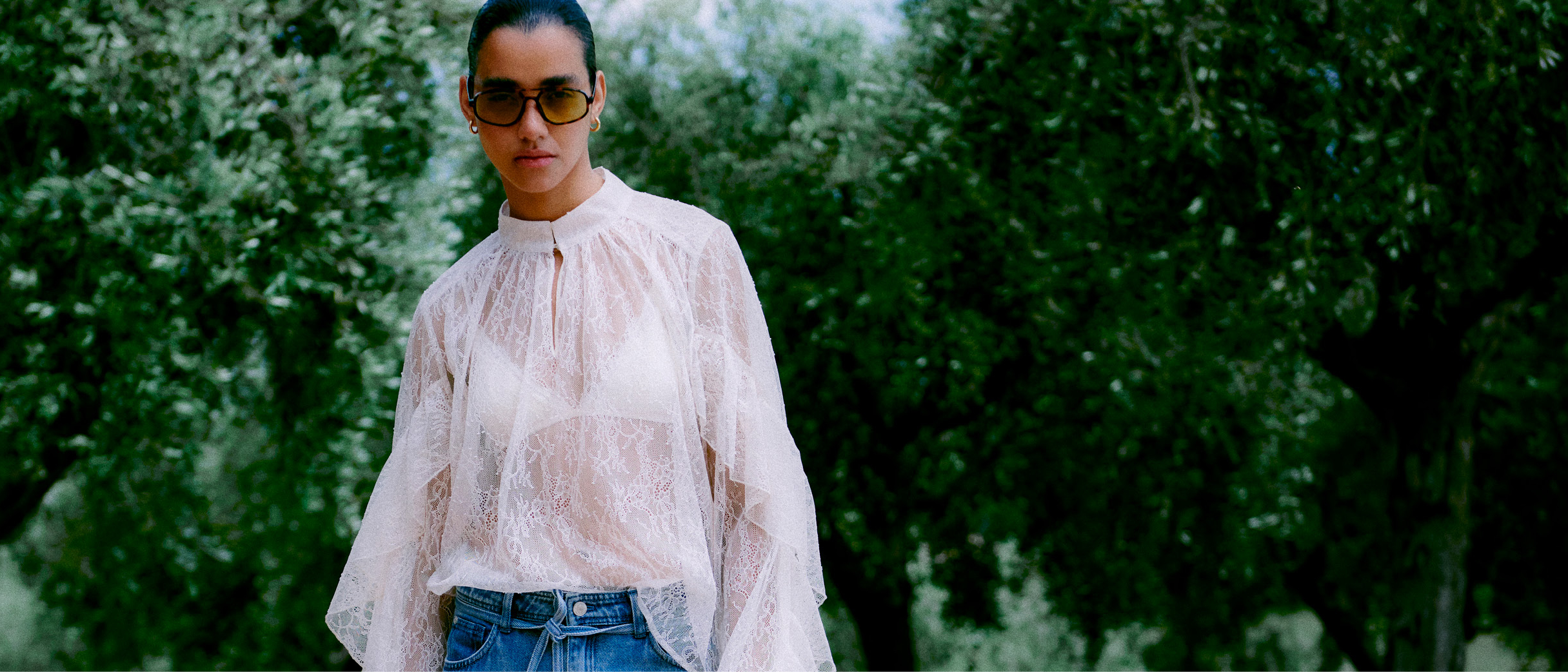
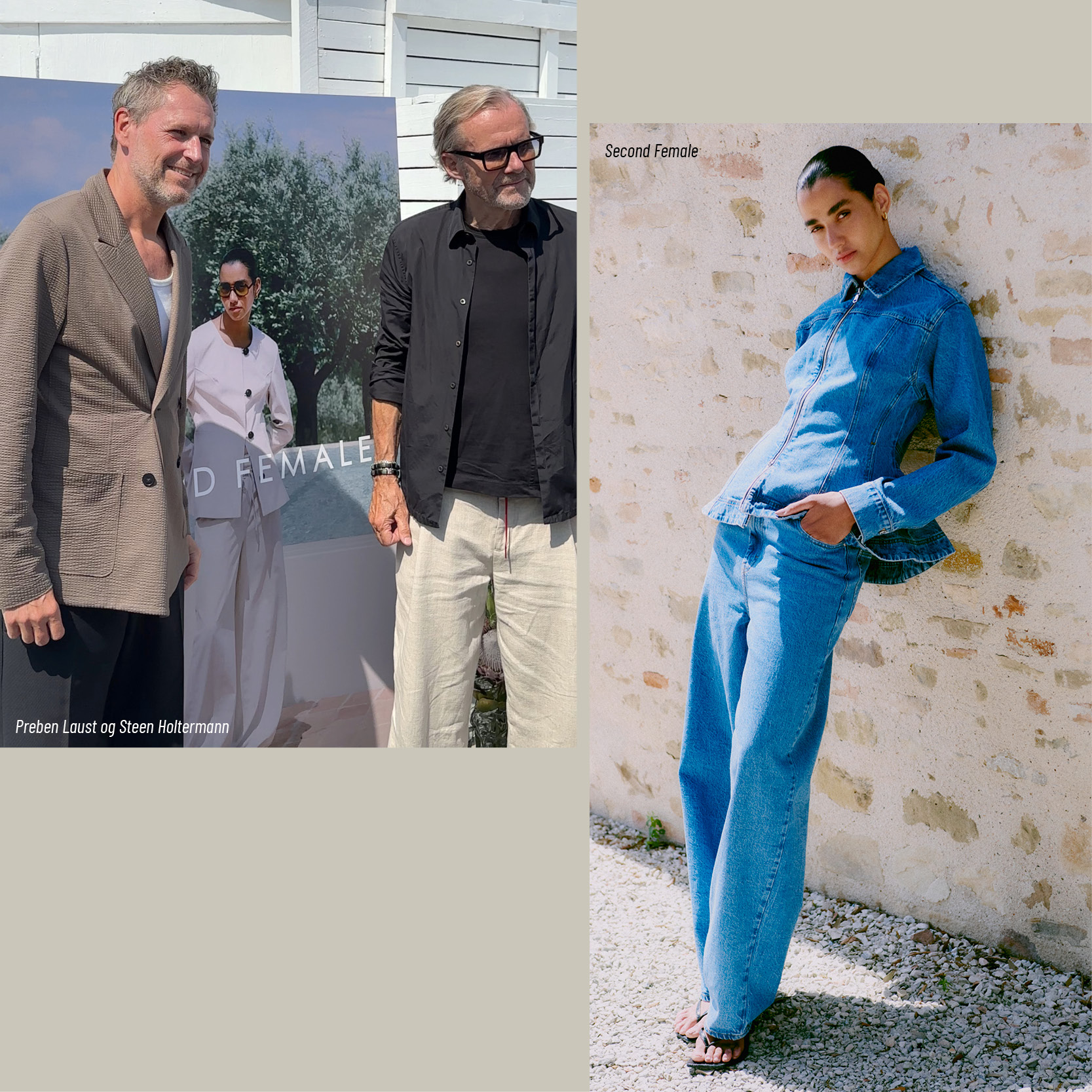
How has Second Female, led by Preben Laust, managed 25 years in a fast-moving and often unpredictable industry? It’s a story of brand evolution, inevitable bumps in the road, and an unwavering passion for what he and his partner have built together. It’s about more than a fashion label: it’s about people – those you meet on the way up and down – and the courage to keep evolving, even when it hurts.
Preben Laust entered the fashion industry armed with curiosity, drive, and self-belief. His journey began at age 17 when he started an apprenticeship at the pioneering first Company store on Strøget in Copenhagen. The store was run by fashion entrepreneur Lykke Fenster Martinsen, married to Niels Martinsen, founder of InWear and Matinique. It was there Preben first experienced the thrill of selling fashion:
“My three years at what would later become Companys laid a strong foundation for my career. That’s where I developed my sense of style. I got to go on buying trips and attend fashion shows. The Matinique reps were royalty back then – it opened a whole new world for me. Standing in the city’s most stylish store and seeing how real fashion sales happened. Back then, the world was smaller. You couldn’t shop online, and when something hit, it hit big. It was inspiring.”


Years followed as a travelling sales rep, founding a teen fashion brand, and ultimately launching Second Female – now celebrating its 25th anniversary:
“The anniversary is an incredible milestone on a journey that began in 2000 with just the two of us. It’s a remarkable achievement my partner Steen Holtermann and I are proud of. It’s been full of highs, but also plenty of challenges – and I look back with pride,” says Preben Laust.
From Express Model to Brand DNA
Second Female was launched in 2000 with the vision of creating an express fashion brand offering quality at accessible prices:
“The idea came from my teen label, Supreme Girl. We saw a gap in the market for express collections with 6–8-week delivery times. The demand was strong in Denmark – and later from other Nordic markets too, which gave us even more momentum. The challenge over time was meeting that demand at speed. If we bought 500 pieces, we should’ve bought 1,000. Managing inventory and demand became increasingly difficult.”
Over the years, adapting and balancing the brand’s DNA has been essential. In 2012, Second Female shifted to producing four long-term collections per year with a broader range – better suited to international markets. The brand’s breakthrough came during this shift, as distribution expanded and the brand gained a stronger foothold.
Today, new demands are reshaping the fashion landscape:
“Running a fashion brand today is completely different than it was 25 years ago. Back in 2000, even the first webshops were just emerging. Now, global competition is fierce, and online shopping has changed everything. Consumers have access to fashion worldwide. Influencers now play a huge role in shaping what people buy. It took time to adapt, but we’ve caught up. We’re active on Instagram and collaborate with influencers – it’s become a natural part of our branding.”
Laust also points to how broader economic and geopolitical shifts affect the industry:
“Looking at the current market and recent years, it’s clear the whole industry is under pressure. Customers play it safe now. They don’t go for the bold styles they once did – and I understand that. But we still need to develop and create things with purpose.”
Tough Decisions
Over the years, Preben Laust and Steen Holtermann have faced major decisions – some involving building new brands, others about letting go. These weren’t just financial – they left a personal mark. The closure of Just Female, and later the phasing out of Oval Square, taught him how to make hard but necessary choices:
“It’s always tough and deeply sad to shut down a brand you’ve poured love and resources into. We launched Just Female in 2006 with Creative Director Penille Andersen. We had a strong partnership and grew the brand alongside Second Female in an incredible journey. But in 2021, we had to close Just Female after years of inconsistent design direction and the aftermath of COVID. We felt we needed a fresh start – and that became Oval Square.”
They hoped Oval Square would follow in Just Female’s footsteps:
“We had a great start in Denmark, Sweden, and Norway. We had an amazing team and believed in it – but we couldn’t get traction in export markets. It was incredibly hard to let it go – especially when you’ve invested so much energy and money, and you have talented people on board.”
Laust takes that experience into his continued work with Second Female:
“It taught me the importance of timely decision-making. It’s easy to keep something alive longer than you should – out of emotion or hope it will turn. But sometimes, you need to stop before it’s too late. Now it’s all about focusing on what we can achieve with Second Female.”
“Second Female Has So Much More to Give”
Despite periods of major challenges, the passion for building and growing Second Female is where Preben Laust feels most at home. It’s an unshakable drive – the joy of brand development, customer insight, and growing the business, even when times are tough:
“I still love designing womenswear. That’s one of the reasons I get up every morning excited to go to work. I have the best job in the world – with all the built-in challenges. After all these years, I’ve learned that you need thick skin and Teflon. It’s a tough industry, but one where you can achieve great things if you’re brave. The day you stop evolving is the day you start declining. I believe Second Female still has a lot of untapped potential. We’ve been lucky, skilled and had great people with us. Without them, we wouldn’t be here.”
For Preben Laust, success isn’t just about delivering the right collection every season. It’s also about the people:
“Relationships are a huge part of our journey – employees, customers, agents, and suppliers. Without them, we’re nothing. You don’t survive 25 years without passionate, skilled people. Even those who’ve moved on are part of our shared story – I’m still in touch with many of them. Some of our staff have been with us for 15–16 years. Having loyal employees and customers who believe in us means everything. That’s what makes it all worthwhile in the end.”